Nestled in the remote and serene Mustang district of Nepal, Muktinath is not merely a travel destination—it is a sacred gateway to liberation, peace, and inner awakening. Surrounded by snow-capped peaks, ancient trade routes, and silent valleys, the holy temple stands as a timeless symbol of faith and salvation. Every year, thousands of devotees, saints, monks, and spiritual seekers from India and across the world undertake this sacred journey to seek divine blessings, moksha (liberation from the cycle of birth and death), and spiritual fulfilment.
A complete Muktinath tour Package beautifully blends deep-rooted faith with Himalayan adventure and natural splendour. The journey takes pilgrims through winding mountain roads, dramatic landscapes, sacred rivers, and centuries-old villages that echo with legends and devotion. From the peaceful banks of the Kali Gandaki River—where holy Shaligram stones are found—to the breathtaking views of the Annapurna and Dhaulagiri ranges, every moment of the journey carries spiritual significance. The act of walking slowly in the thin mountain air, chanting prayers, and witnessing the harmony of earth, water, fire, and sky creates a profound connection between the pilgrim and the divine.
Why Muktinath is a Sacred Pilgrimage Site

Muktinath holds a very special place in the hearts of spiritual seekers and pilgrims because it is believed to be a divine land of salvation and liberation. The name “Muktinath” itself comes from the Sanskrit word “Mukti,” meaning freedom from the endless cycle of birth, death, and rebirth. According to ancient Hindu scriptures and legends, a pilgrimage to Muktinath helps devotees wash away accumulated sins from past lives and attain spiritual release.
Situated high in the Himalayas, the temple is surrounded by powerful natural elements—earth, water, fire, air, and sky—which symbolise balance and purity. Pilgrims believe that Lord Vishnu resides here in his eternal form, granting blessings to those who reach the temple with devotion and faith. The difficult journey, thin mountain air, and peaceful surroundings are considered part of the spiritual test, teaching humility, patience, and surrender. For many devotees, reaching Muktinath is not just a religious act but a deeply personal transformation that brings inner peace and clarity.
Importance of Muktinath for Hindus and Buddhists
Muktinath is one of the rare pilgrimage sites in the world that is equally revered by both Hindus and Buddhists, making it a symbol of spiritual harmony and unity.
Significance for Hindus
For Hindus, Muktinath is one of the 108 Divya Desams, the most sacred temples dedicated to Lord Vishnu. It is also counted among the Mukti Kshetras, places where salvation is believed to be easily attainable. Devotees worship Lord Vishnu in the form of Sri Muktinath, offering prayers for freedom from worldly attachments and suffering. Rituals such as bathing under the 108 holy water spouts (Muktidhara) and offering prayers at the temple are considered highly auspicious and spiritually purifying.
Significance for Buddhists
For Buddhists, Muktinath is known as Chumig Gyatsa, meaning “Hundred Sacred Waters.” It is one of the 24 tantric pilgrimage sites and is deeply connected with Guru Rinpoche (Padmasambhava). Buddhists believe the natural flame and flowing water at Muktinath represent the union of wisdom and compassion. Monks and followers visit the site for meditation, prayer, and spiritual enlightenment.
Where is Muktinath Located?
Geographic Location
Muktinath is located in the Mustang district of Nepal, a remote and culturally rich region that lies in the rain-shadow area of the Himalayas. It is situated close to the Nepal–Tibet border and rests along the ancient salt and trade route that once connected India with Tibet. This historic route was used by traders, monks, and pilgrims for centuries, giving the region deep spiritual and cultural significance. The temple is positioned at the foothills of the Thorong La mountain pass, one of the highest trekking passes in the world. Despite its remote location, Muktinath remains accessible today through a combination of road travel and short mountain flights, making it possible for pilgrims of all ages to reach this sacred site.
Altitude and Climate
Muktinath stands at an altitude of approximately 3,800 meters (12,500 feet) above sea level, which places it in a high-altitude Himalayan zone. Due to this elevation, the climate is cold and dry throughout most of the year. Even during summer months, temperatures can drop significantly, especially during early mornings and nights. One of the unique weather characteristics of the region is the presence of strong winds in the afternoon, particularly around Jomsom and Muktinath. These winds are a natural phenomenon caused by temperature differences between valleys and high mountain areas. Travelers are advised to complete temple darshan and outdoor activities early in the day to avoid discomfort. Because of the thin air and lower oxygen levels, visitors may experience mild altitude effects. Proper acclimatization, slow movement, and hydration are essential for a comfortable journey.
Spiritual Significance of the Region
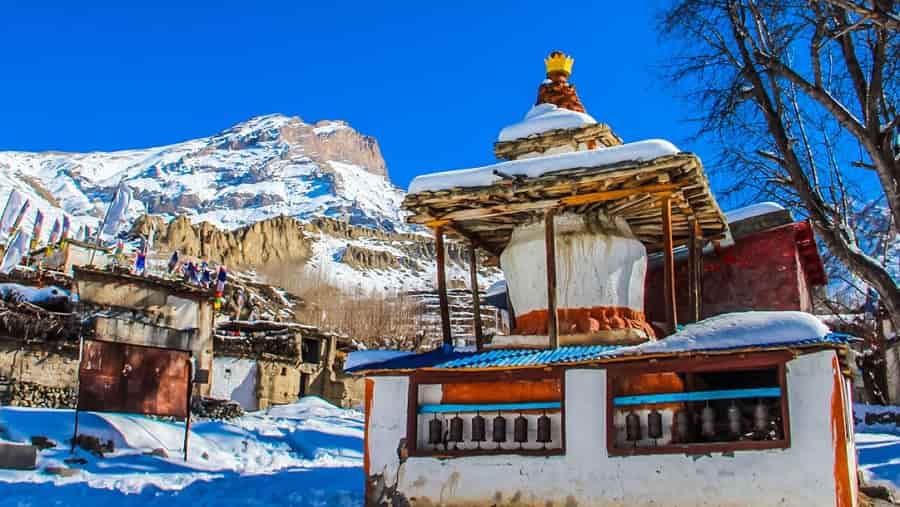
The spiritual energy of Muktinath is deeply connected to its natural surroundings. The temple is encircled by snow-capped Himalayan peaks, vast barren landscapes, and ancient monasteries that have stood quietly for centuries. The region represents the perfect balance of nature and spirituality, where silence itself feels sacred. The presence of all five natural elements—earth, water, fire, air, and space—adds to the region’s divine importance. Flowing water from the 108 sacred spouts, the eternal flame at Jwala Mai, the strong mountain winds, solid Himalayan earth, and the vast open sky together create a powerful spiritual environment.
Many pilgrims and monks describe the region as a place where the mind naturally calms and thoughts slow down. The peaceful atmosphere, prayer flags fluttering in the wind, and the distant sound of chants make Muktinath an ideal destination for meditation, prayer, and self-reflection. For spiritual seekers, this sacred Himalayan region is not only a place to worship but also a space to reconnect with the inner self.
Muktinath Temple Darshan Experience
The darshan at Muktinath Temple is the most sacred and emotionally powerful part of the entire pilgrimage. Set against the majestic Himalayan backdrop, the temple offers an atmosphere of deep peace, devotion, and spiritual energy. Pilgrims from different faiths gather here with one common purpose—to seek blessings, purification, and inner liberation.
108 Holy Water Spouts (Muktidhara)
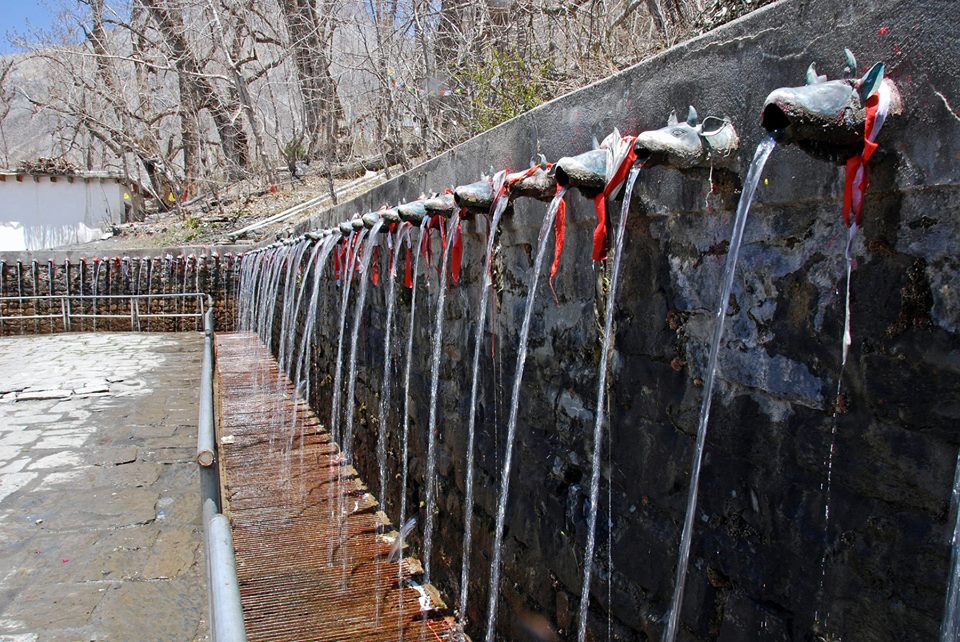
One of the most significant rituals at Muktinath is bathing under the 108 holy water spouts, known as Muktidhara. These spouts continuously flow with icy-cold Himalayan water. Devotees believe that passing under all 108 spouts washes away the sins of past lives and purifies the soul. Though the water is extremely cold, pilgrims willingly endure it as an act of faith and devotion. Many chant prayers and mantras while performing this ritual, believing it brings spiritual cleansing and divine grace.
Jwala Mai Temple
Located within the Muktinath temple complex, the Jwala Mai Temple is a unique spiritual site where a natural flame burns eternally from the earth, alongside flowing water. This rare phenomenon represents the harmony of natural elements—fire and water existing together. Pilgrims stand in awe as they witness this sacred flame, offering prayers and lighting lamps. Both Hindus and Buddhists consider this place highly auspicious, symbolizing spiritual balance, wisdom, and enlightenment.
Rituals & Pooja
Rituals and pooja at Muktinath are performed by experienced priests using Vedic chants and traditional offerings. Devotees can perform special poojas for peace, health, ancestral blessings, and salvation. Many pilgrims also perform rituals for their departed ancestors, believing that prayers at Muktinath help souls attain peace. The sound of chants, temple bells, and prayers creates a deeply spiritual atmosphere that leaves a lasting impression on visitors.
Darshan Time
The overall darshan experience at Muktinath usually takes 1 to 2 hours, depending on the number of pilgrims and weather conditions. Early morning visits are recommended as the weather is calmer and crowds are smaller. Completing darshan early also helps pilgrims avoid strong afternoon winds common in the region.
Places to Visit in the Muktinath Tou
Muktinath Temple
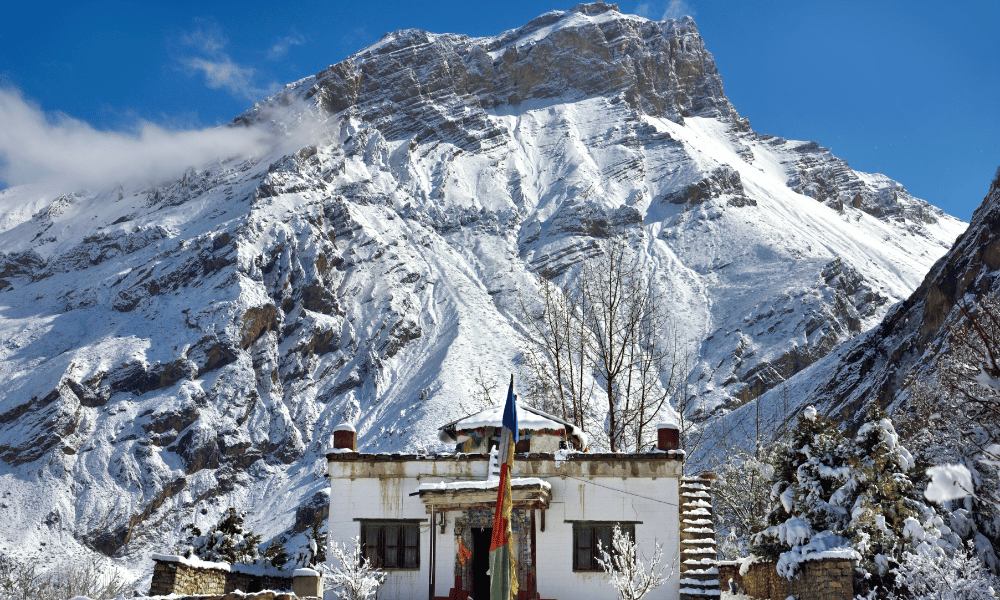
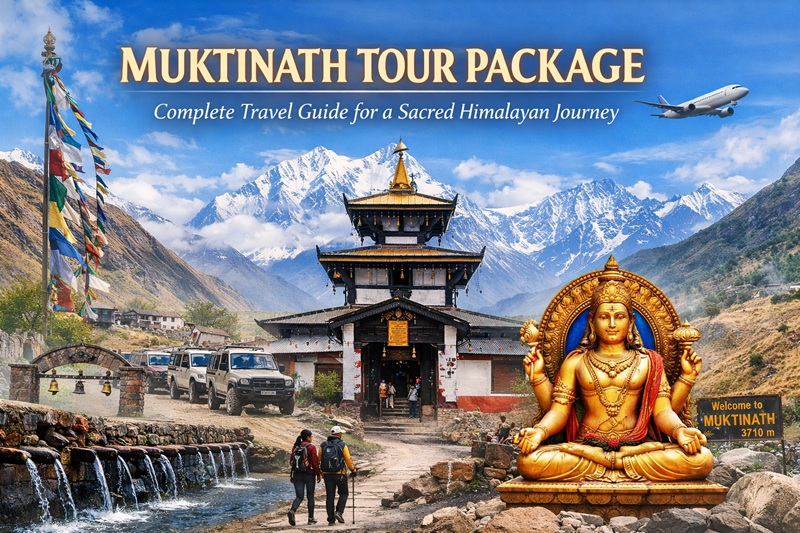
The main highlight of the journey, Muktinath Temple, is one of the most sacred pilgrimage sites for both Hindus and Buddhists. Dedicated to Lord Vishnu, the temple is believed to grant moksha (liberation). Pilgrims perform holy rituals, offer prayers, and seek blessings for peace and salvation. Behind the temple are the famous 108 holy water spouts (Muktidhara) where devotees take a sacred bath. Nearby, the Jwala Mai Temple features a natural eternal flame burning alongside flowing water, symbolizing the unity of natural elements.
Jwala Mai Temple

Located within the Muktinath temple complex, Jwala Mai Temple is a unique spiritual site where a natural flame burns continuously from underground gas. This miraculous combination of fire and water is deeply revered by both Hindus and Buddhists. Pilgrims believe that worship here brings purification and spiritual awakening.
Jomsom
Kali Gandaki River
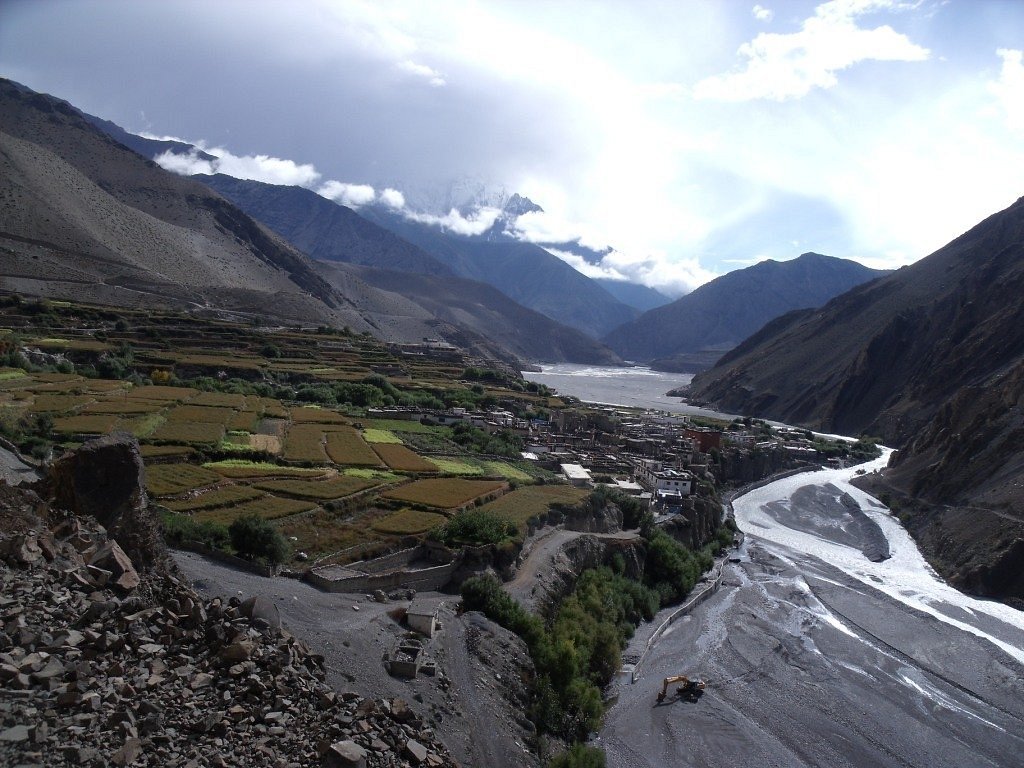
Kagbeni Village
Kagbeni is a picturesque ancient village located near the confluence of the Kali Gandaki and Jhong rivers. Known for its medieval architecture, narrow stone lanes, and ancient monasteries, Kagbeni offers a glimpse into traditional Tibetan-influenced culture. Many pilgrims stop here for prayers, photography, and cultural exploration.
Marpha Village (Optional Visit)
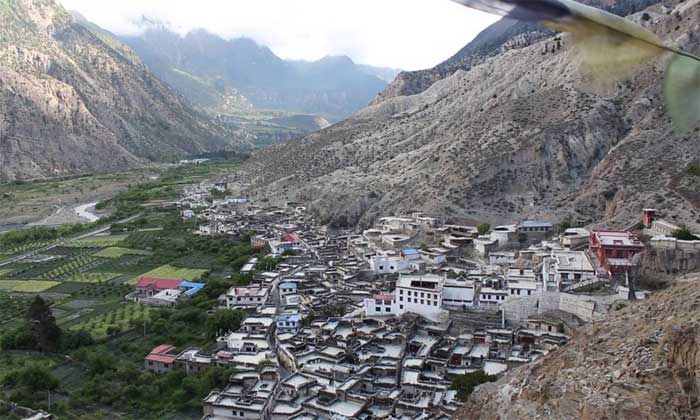
Marpha is a charming Himalayan village famous for its apple orchards and traditional whitewashed houses. Travelers can taste local apple products like juice, cider, and dried apples. Visiting Marpha adds a relaxing and cultural touch to the spiritual journey.
Pokhara (Before or After Muktinath)
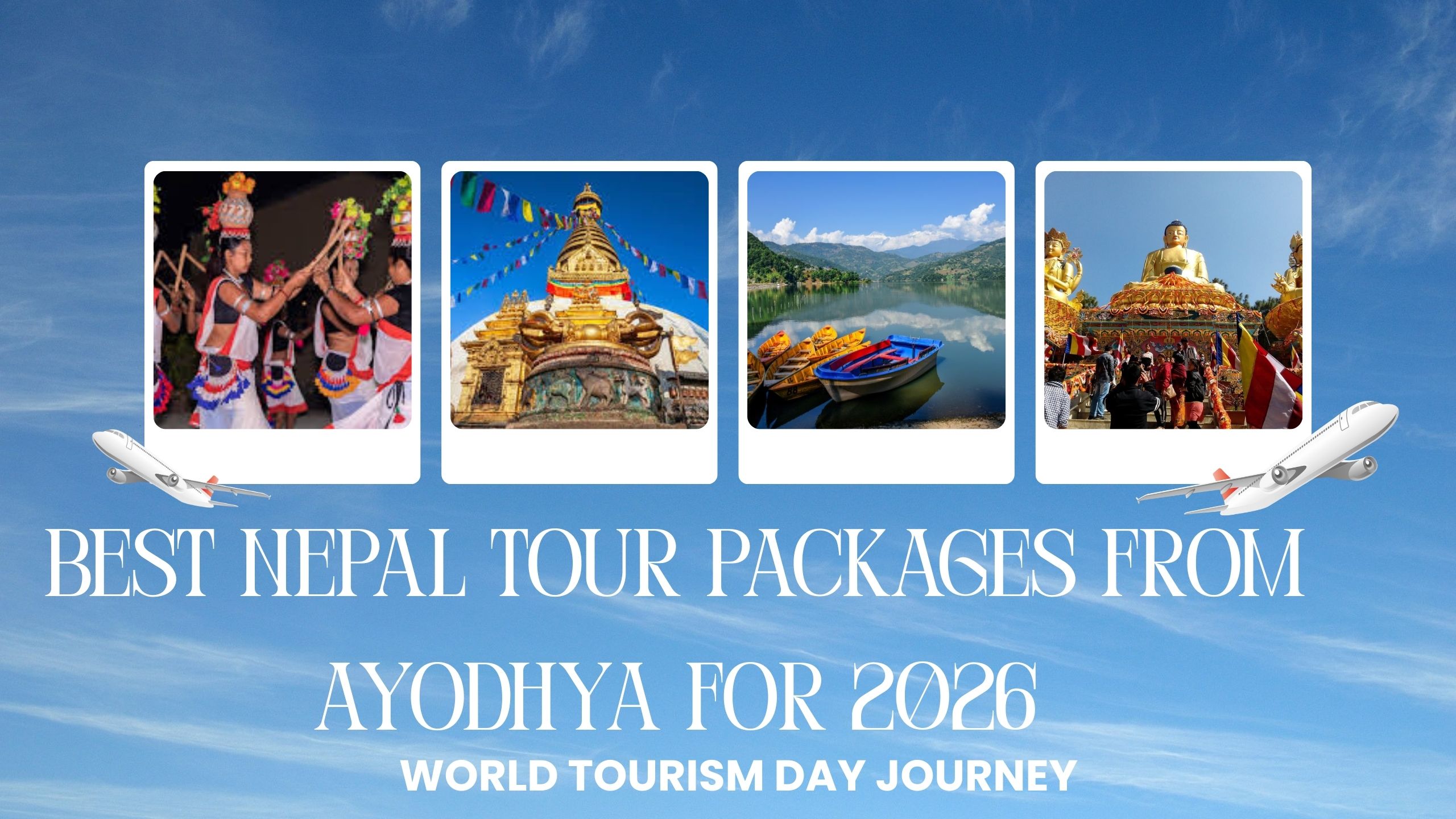
Although not in Mustang, Pokhara is an essential part of most Muktinath tour packages. Known as the gateway to the Himalayas, Pokhara offers scenic attractions such as Phewa Lake, Davis Falls, Gupteshwar Cave, and mountain viewpoints. It provides rest and comfort before or after the high-altitude pilgrimage.
Dhaulagiri & Annapurna Viewpoints

Throughout the journey, pilgrims enjoy breathtaking views of the Dhaulagiri and Annapurna mountain ranges. These snow-covered peaks create a divine backdrop and enhance the spiritual atmosphere of the tour. Dhaulagiri I is the 7th highest mountain in the world, standing at 8,167 meters (26,795 feet). The range is known for its steep slopes, rugged terrain, and challenging climbing conditions, making it a favorite for professional mountaineers.
Perched at an altitude of about 3,800 meters (12,500 feet) in Nepal’s Mustang region, Muktinath Temple is regarded as one of the holiest places of liberation and salvation in the Himalayas. The very name Muktinath translates to “Lord of Liberation”, symbolizing freedom from the cycle of birth and rebirth. For centuries, saints, monks, and devotees have believed that a visit to this sacred shrine cleanses the soul and brings spiritual awakening.
Best Time to Visit Muktinath
Summer Season (March to June)
This is one of the best times to visit Muktinath. The weather remains relatively stable, snow begins to melt, and roads become accessible. Clear skies offer breathtaking views of the Himalayas.
Autumn Season (September to November)
Autumn is the most popular season for the Muktinath pilgrimage. Pleasant temperatures, minimal rainfall, and excellent visibility make travel smooth and comfortable.
Weather Conditions and Travel Tips
Muktinath is situated at a high altitude of around 3,710 meters, where weather conditions remain cold and unpredictable throughout the year. Even during summer, temperatures can drop sharply in the early morning and evening, while strong winds are common during the day. Due to the high altitude, oxygen levels are lower, and sunlight is more intense.
Weather Tips for Muktinath Travelers
No matter which season you choose, it is important to prepare for sudden weather changes. Muktinath’s climate can shift quickly within hours.
- Always carry warm jackets, thermals, gloves, and woollen caps
- Strong winds are common in the afternoon—plan darshan early
- Sunglasses and sunscreen are useful due to high-altitude sun exposure
Proper clothing ensures comfort and protects against cold-related health issues.
Months to Avoid Due to Snowfall
The winter months from December to February are best avoided, as heavy snowfall can block roads, flights get cancelled, and extreme cold makes the journey risky.
Road Journey via Pokhara & Jomsom Muktinath Tour Package Route & Journey Overview
India to Nepal Entry Points
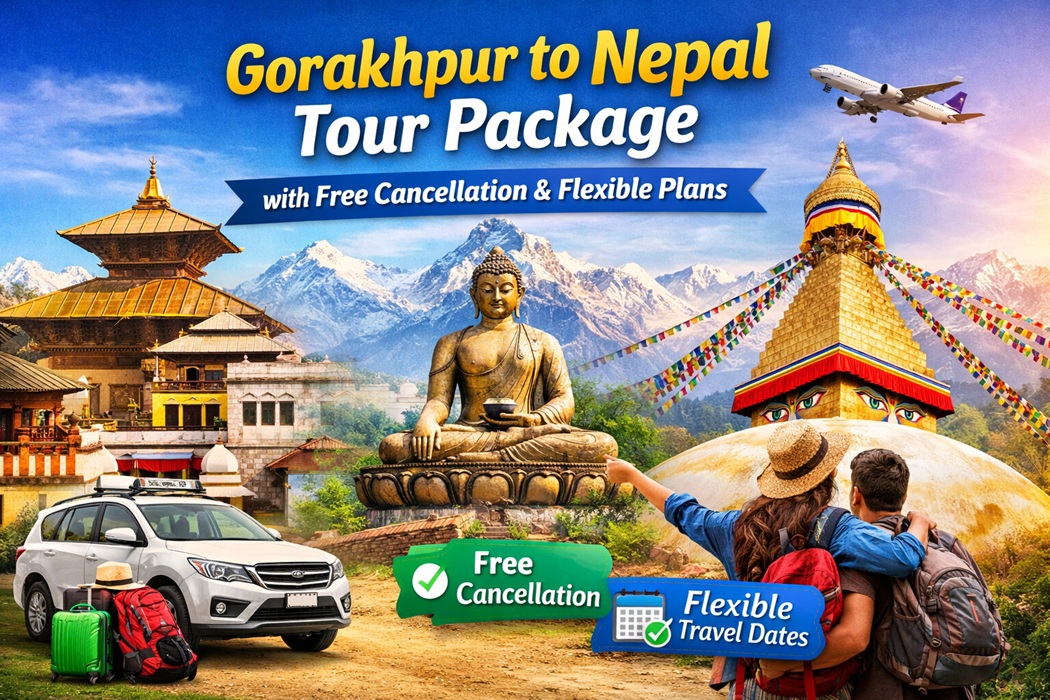
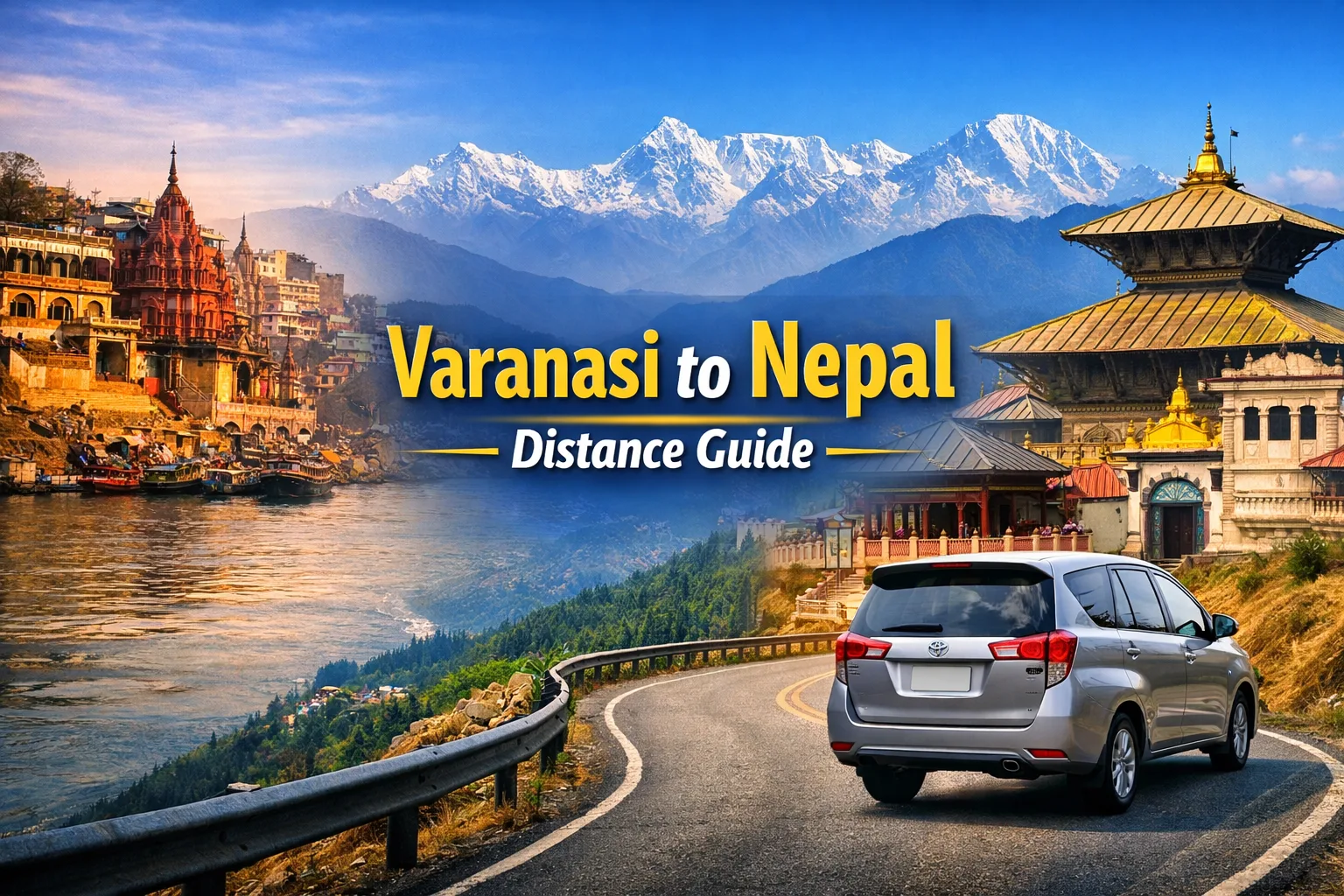
Indian pilgrims can enter Nepal via popular border points such as Gorakhpur–Sunauli, Raxaul–Birgunj, or Patna routes, making the journey convenient and well-connected. The road journey to Muktinath is filled with breathtaking scenery. After entering Nepal, travelers typically reach Pokhara, the gateway to the Himalayas. From Pokhara, the journey continues toward Jomsom through winding mountain roads.
Along the way, pilgrims witness:
- Flowing rivers like the Kali Gandaki
- Green hills and deep valleys
- Traditional villages and suspension bridges
Though parts of the road can be rough, the spiritual atmosphere and natural beauty make the journey memorable.
Flight Options to Jomsom
For those who want to reduce travel time or avoid long road journeys, short domestic flights from Pokhara to Jomsom are available. These mountain flights are famous for their thrilling experience and stunning views.
- Duration: Approx. 20–25 minutes
- Offers aerial views of the Annapurna & Dhaulagiri ranges
- Weather-dependent and usually operated in the morning
This option is especially suitable for senior citizens and time-bound travelers.
Jeep Safari Experience in Mustang
From Jomsom, the journey to Muktinath is often completed via a 4×4 jeep safari, which is one of the most adventurous parts of the tour. The rugged off-road trail passes through rocky landscapes, riverbeds, and high-altitude terrain.
The jeep journey offers:
- Close views of barren Mustang landscapes
- A sense of adventure and exploration
- Comfortable access to remote areas
Accommodation & Hotel Facilities
 Comfortable accommodation is an important part of a peaceful Muktinath pilgrimage. Tour packages are designed to balance comfort with the realities of high-altitude travel.
Pokhara
In Pokhara, travellers stay in well-maintained hotels with modern amenities such as comfortable beds, attached bathrooms, hot water, and in-house restaurants. Pokhara serves as the relaxation point before and after the high-altitude journey, allowing pilgrims to rest properly.
Jomsom & Muktinath
Accommodation in Jomsom and Muktinath consists of clean mountain lodges and guesthouses. While facilities are basic due to the remote location, rooms are warm, safe, and hygienic. Thick blankets are provided to protect against cold nights, and staff are accustomed to assisting pilgrims.
Food Options
Simple and nourishing vegetarian and satvik meals are available throughout the journey. Meals typically include dal, rice, roti, vegetables, soup, tea, and light breakfast items. Special dietary needs can be arranged in advance.
Transportation Included
Transportation is planned to ensure safety and comfort across challenging Himalayan terrain.
- Private or shared cabs based on package selection
- Domestic flights (Pokhara–Jomsom) are available as an optional upgrade
- Experienced Himalayan drivers trained for mountain routes
- Well-maintained vehicles for a smooth and reliable journey
Musafircab ensures that all transport arrangements are handled professionally, allowing pilgrims to focus on devotion rather than logistics.
Documents & Permits Required
Indian travelers enjoy a smooth and hassle-free entry into Nepal.
- Aadhaar Card or Passport (original required)
- ACAP (Annapurna Conservation Area Permit)
- TIMS (Trekkers’ Information Management System) Card
All necessary permits are usually arranged as part of the tour package, making border entry and travel easy for pilgrims.
Essential Tips for Muktinath Yatra
The Muktinath Yatra is a sacred Himalayan pilgrimage that requires proper planning, health precautions, and respect for local customs.
- Acclimatisation: Muktinath is at 3,800 meters. Ascend slowly, rest often, and spend a night in Pokhara or Jomsom to adjust to the altitude.
- Clothing & Essentials: Carry warm jackets, thermals, woollen caps, gloves, and comfortable walking shoes. Sunglasses and sunscreen are recommended.
- Health & Hydration: Drink plenty of water, eat light vegetarian meals, and avoid alcohol. Carry medicines and a basic first-aid kit.
- Temple & Darshan: Start early to avoid crowds and strong winds. Be prepared for basic lodge facilities in Jomsom and Muktinath.
- Respect Local Customs: Dress modestly, maintain cleanliness, and follow temple rules.
- Cash & Travel Support: Carry sufficient Nepalese currency as ATMs are limited. Travel with experienced operators for permits, safe transport, and guidance.
Muktinath Tour Package Cost & Inclusions
The cost of a Muktinath tour package varies depending on several factors, including the duration, mode of transportation (road, air, or helicopter), type of accommodation, and any customisation options chosen by the traveller. Packages can be tailored to meet the needs of families, groups, senior citizens, or pilgrims on religious yatras.
Muktinath Tour Package for Senior Citizens
Senior citizens often prefer a slower pace and comfortable travel arrangements. Musafircab offers special arrangements for elderly pilgrims, including a relaxed itinerary, medical support, and assistance throughout the journey. Optional helicopter transfers from Jomsom to Muktinath are available for those who wish to reduce travel fatigue, weather permitting. Lodging and meals are carefully planned to provide maximum comfort, making the pilgrimage safe and enjoyable even for those with mobility or health concerns.
Muktinath Tour with Pashupatinath & Janakpur
For pilgrims seeking a more extensive spiritual experience, Musafircab offers packages that combine Muktinath with other sacred sites such as Pashupatinath Temple in Kathmandu and Janakpur, the birthplace of Goddess Sita. This extended pilgrimage allows travelers to explore Nepal’s rich religious heritage, experience diverse cultural traditions, and achieve a deeper sense of spiritual fulfillment. By including multiple holy sites in one journey, devotees can maximize their blessings and make the trip a truly transformative experience.
Food Options During Muktinath Trip
Local Cuisine in the Muktinath Region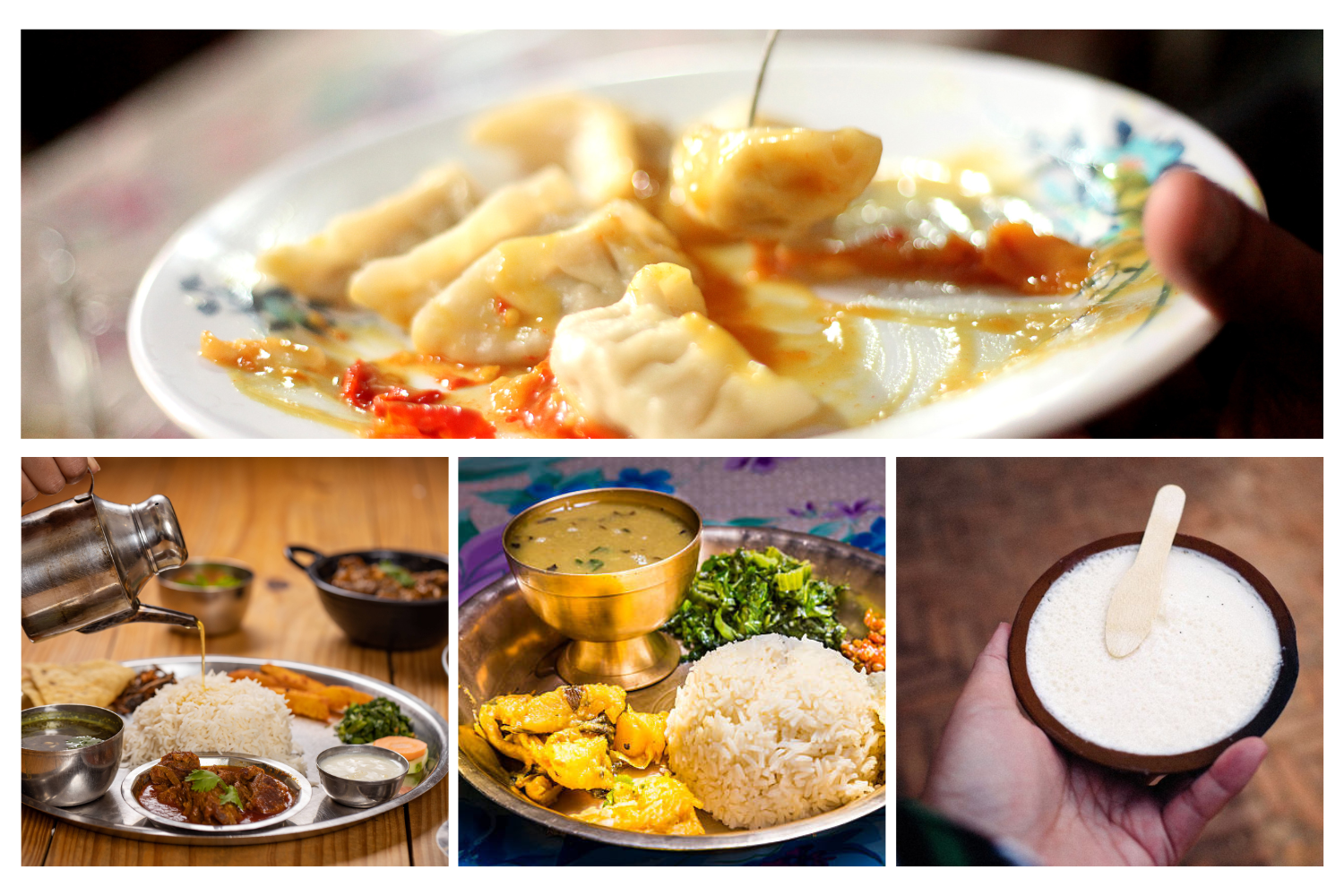
The Muktinath area offers a mix of Nepali and Tibetan dishes, influenced by local culture and climate. Popular meals include:
Dal Bhat: A staple in Nepal, dal bhat consists of rice served with lentil soup, seasonal vegetables, and pickles. It is a wholesome meal that provides energy for trekking.
Momos: Steamed or fried dumplings filled with vegetables, chicken, or yak meat. Momos are light, easy to digest, and perfect for high-altitude meals.
Thukpa: A warm noodle soup, often served with vegetables or meat, ideal for cold mountain mornings.
Tibetan Tea (Butter Tea): Common in Mustang villages, this tea is rich and filling, giving warmth and energy in cold weather.
Most accommodations in these towns offer vegetarian and satvik meals, which are preferred by pilgrims for ease of digestion and spiritual practice.
Why Choose Our Muktinath Tour Package?
Choosing the right tour operator can make a significant difference in the experience of a Muktinath pilgrimage Tour. Musafircab offers expertly designed packages led by experienced Nepal travel specialists who understand the unique challenges and spiritual requirements of this high-altitude journey. From the moment you leave India until your safe return, travelers receive end-to-end assistance, including guidance through border formalities, permits, and route planning. Safety is a top priority on this pilgrimage. Musafircab provides well-maintained vehicles and trained Himalayan drivers who are familiar with mountain roads, ensuring smooth travel even in challenging terrain. Transparent pricing policies mean there are no hidden costs, and all arrangements—from accommodation to transport—are designed with the comfort and convenience of pilgrims in mind. With a focus on spiritual fulfilment, every detail of the journey is planned to help travelers focus on devotion, reflection, and inner peace.
Conclusion – A Journey to Moksha & Inner Peace
The Muktinath tour from Gorakhpur is more than just a trip; it is a deeply spiritual journey that purifies the soul, strengthens faith, and connects travelers with the serene and powerful energy of the Himalayas. Each step of the journey, from scenic mountain roads to the sacred rituals at the temple, contributes to a transformative experience. With proper planning, heartfelt devotion, and reliable support from Musafircab, pilgrims can experience the full spiritual depth of this ancient holy site. The blessings, peace, and inner fulfillment gained from visiting Muktinath stay with travelers long after the pilgrimage ends, making it a once-in-a-lifetime journey toward moksha and self-discovery.